
Separate the business entrance from the home entrance.
In a mixed-use downtown building, the street-facing shop door may be separate from the entrance to upstairs homes. Identify the exact door and the unit or business involved. This helps avoid confusion about who can authorize access or a key change.
If a shared door will not latch, inform the responsible manager. Explain what happens when it closes and whether the key still operates normally. Do not leave a shared security or fire door propped open as a workaround.
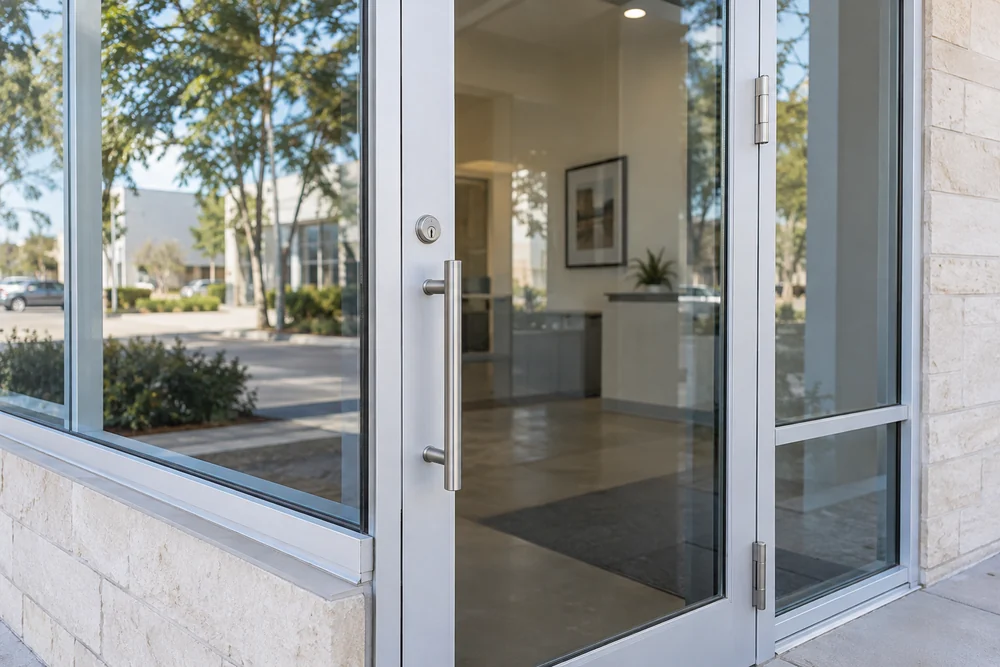
Small observations can make a repair discussion clearer.
Does the key turn freely when the door is open? Does the handle move loosely? Has the problem appeared suddenly or become worse over time? You do not need technical vocabulary to describe these symptoms.
If you can safely access the door, photographs of both sides and its edge can help. Avoid forcing a stiff key or taking an unfamiliar mechanism apart. The appropriate repair or replacement depends on the condition found.
For new keys, identify the whole scope.
A move, a missing key or a change of staff can prompt a rekeying request. List the doors involved, who controls each lock and how many keys you need. A master-keyed or shared system requires coordination.
Call with your Lynn address to check current availability and an estimate. Mention the actual entrance and any parking or access instructions. A local area page is not a promise of a particular arrival time or a shop at that location.
Before you call
- Shop, apartment or shared-entry door
- Authorized contact for the property
- Exact address and entrance instructions
A useful question
Can a shop owner authorize changes to the apartments’ shared entrance?
Authority depends on the property arrangements. Identify the responsible owner or building manager and confirm permission for the particular door. Control of a commercial unit does not automatically establish permission to change residential shared access.