
When the closing routine stops working
Around Everett Square and the Broadway, Chelsea Street and Norwood Street commercial area, a lock problem may appear as a shop is opening or closing. Tell us whether the door closes correctly, the key turns and the latch actually engages.
Have an authorized person available to explain the fault and approve the estimate. In a leased unit, check whether the owner or manager controls the hardware. Do not assume a new key will fix a door that is not fitting the frame.
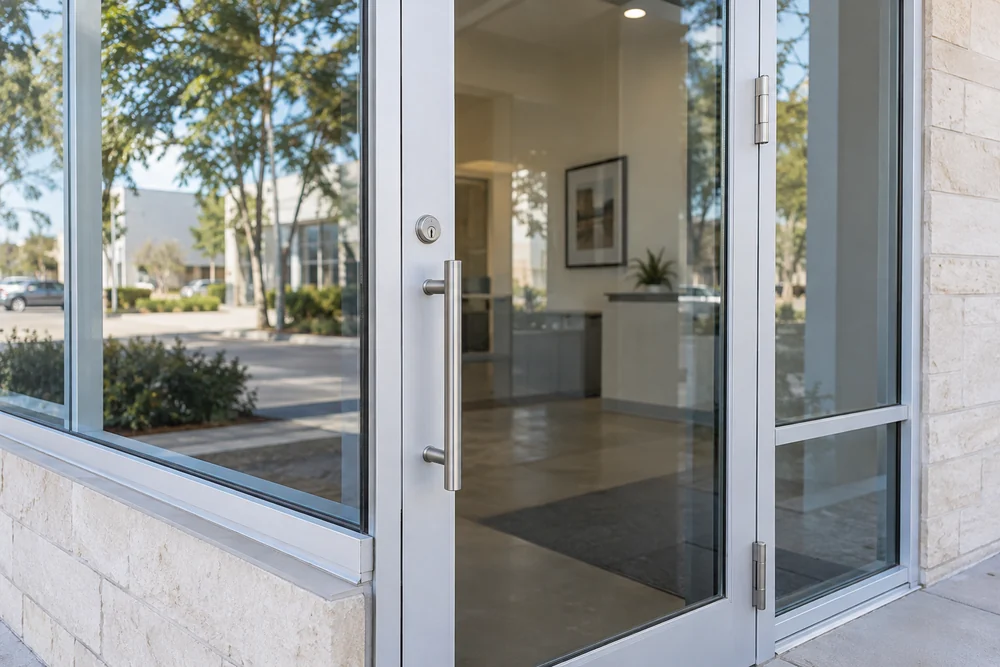
A different plan for a move-in
At home, the question may be who still has a working key. List the locks you can change, note any shared entrance and check whether the existing hardware operates smoothly. Rekeying and replacing hardware solve different parts of the problem.
A missing key, a damaged cylinder and a loose handle should all be mentioned. If more than one door is involved, explain whether you want them to use the same key; compatibility must be checked before that can be promised.
Keep the location and scope clear.
Give your street address, unit and entrance instructions. If you are calling about a vehicle, add its make, model, year and exact parking location. Keys locked inside and all keys lost should be distinguished at the start.
Ask about current availability and how the total estimate is formed. Any proposed parts or additional work should be discussed before you authorize it. No specific arrival time is promised on this page.
Before you call
- What happens during locking and unlocking
- The responsible business or property contact
- Doors included in any key change
A useful question
Will changing keys fix a door that does not latch?
Not necessarily. Rekeying changes key access; it does not by itself correct a door-closing or alignment problem. Describe both the key operation and the way the door meets the frame.