
On Broadway, one address may lead to more than one door.
A storefront, a shared residential entrance and an individual apartment can have separate access arrangements. Give the unit or business name with the address and say which entrance is causing the problem.
If you are locked out, explain whether the keys are inside, missing or no longer working. A building manager or authorized keyholder may need to be contacted before entry or changes to shared hardware can be arranged.
A key that turns is only part of the story.
When the key turns but the door stays closed, describe what the handle and latch do. If the door works differently open and closed, that detail is useful. Avoid forcing the key or pulling hard on unfamiliar hardware.
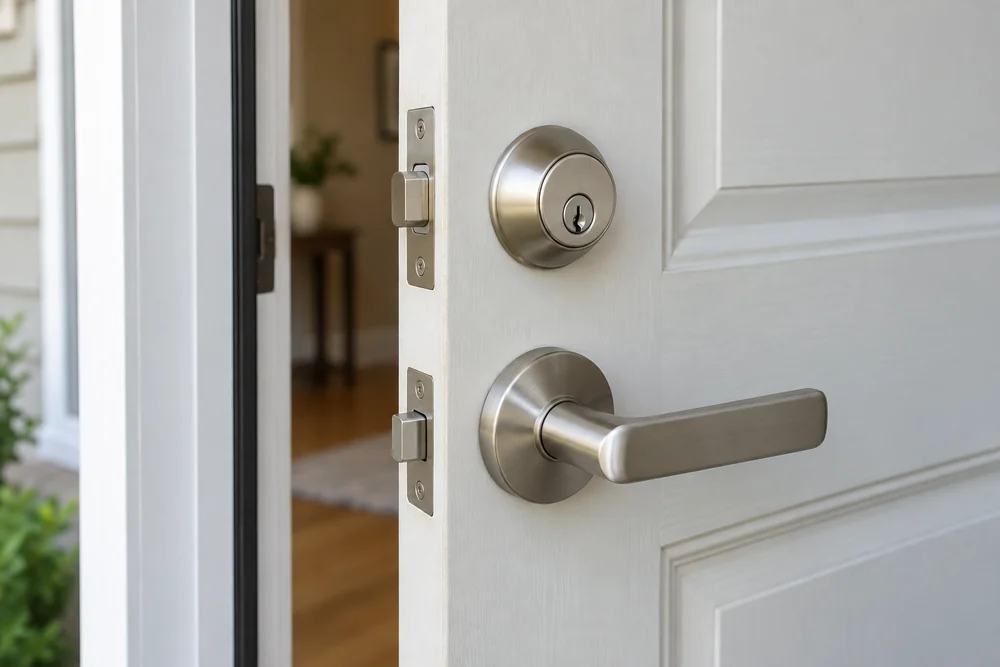
Photographs can help explain a repair or replacement request when you can safely access the door. A wide view of the edge and frame can be as useful as a close-up of the keyhole. Do not send images of keys or personal documents through public posts.
Before you call
- The exact entrance and unit
- Where the keys are and what still works
- Permission for shared or rented property
After a move or a change of keyholder
Rekeying may change which key operates suitable existing locks. In a rental or shared building, get the relevant permission first and identify the doors included. A private-unit key change should not be assumed to cover a common entrance.
Call with the actual Chelsea address and any access instructions. Confirm the proposed work and estimated charges before a visit, and agree on changes if inspection reveals another issue.
A useful question
Should I describe the storefront and apartment entrances separately?
Yes. They may have different locks, keyholders and permission requirements even at the same street address. Identify the particular door and who is responsible for it.